
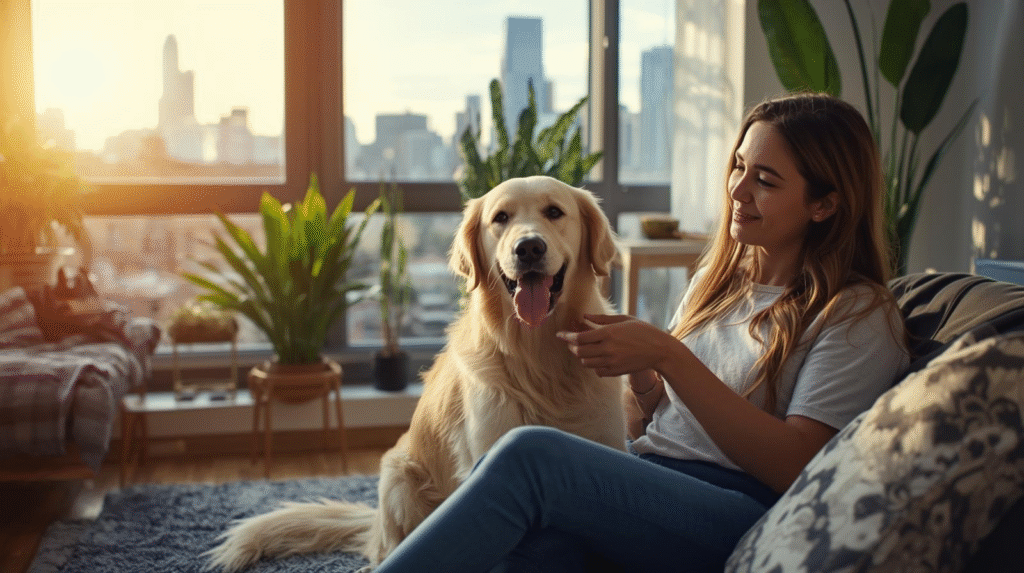
A gray muzzle, a slower walk, a deeper sigh after playtime – we start noticing these small changes in our dogs. It is the bittersweet truth that our little pup is growing older and needs “senior dog care”. They have been our friends in every up and down of our lives, and now it is our turn to make their golden years truly shine.
Most people think that older dogs need rest and more comfort, but the truth is, the golden years require more attention than just simple rest. With the right senior dog care, your furry best friend can stay active, alert, and deeply content — not just surviving, but truly living.
This guide will walk you through everything you need to know: how to take care of older dogs, the best food choices, preventive senior dog health care, fun old dog care games, and the growing trend of senior dog day care and boarding options that give your pet a community of their own.
Want to make your senior dog’s golden years truly special? Subscribe for dog care tips.
From Active to Senior: Recognizing Your Dog’s Aging Shift
Wondering at what age your dog is considered a “senior dog”? Not all dogs age the same way. A tiny Chihuahua might stay spry until 12 or 13, while a large Labrador may start showing signs of aging at 7 or 8.
Is there a formula to calculate the age of your furry friend? Compared to human age, estimating the age of a Dog is a little more complex.
The most common formula to calculate the age of your furry friend is:
A dog’s age (in years) x 7 = Age in “dog years.
- Example: At present, if your dog was born five years ago, your dog is currently 35 years old. However, this is a rough estimate. There is, as such, no math to calculate the exact age of your dog. How fast your dog grows older will depend on the breed and size. For instance, the larger and giant dogs age faster than the smaller breeds. A large dog, such as a Great Dane, may be considered a “senior dog” at the age of 6, while a small breed like a Doberman may be regarded as a senior when at the age of 10.
However, other factors also affect the age of your dog, including body weight, nutrition, overall health, and environment
|
Dog Size |
Weight |
Senior Age |
|
Small breed (ex. Dachshund) |
10 – 20 lbs |
10–12 years old |
|
Medium breed (ex. Australian Shepherd) |
21–50 lbs |
8–10 years old |
|
Large breed (ex. Boxer) |
51–90 lbs |
8–9 years old |
|
Giant breed (ex. Great Dane) |
over 90 lbs |
6–7 years old |
Spotting the Signs: Understanding Your Senior Dog’s Timeline
So how do you know your dog has entered the senior stage? Recognising the early signs of aging in your dog is crucial for the pet owner. As a responsible pet owner, when you recognise the early signs of aging in your dog, you can take the necessary action to ensure your dog remains happy and active in their golden age.
Let’s have a look at common signs your pup will show at the time of aging:
- They sleep more but are easily startled awake.
- Stairs or jumping on the couch seem harder.
- You notice cloudy eyes, gray fur, or stiffness after naps.
- They take a bit longer to respond to commands or move more slowly during walks.
That’s your cue to begin thoughtful senior dog health care. A good rule of thumb? Annual vet visits become bi-annual, diet changes from high-calorie to nutrient-balanced, and lifestyle shifts from high-intensity play to gentle engagement.
“According to the American Veterinary Medical Association (AVMA), dogs are considered senior when they reach the last 25% of their expected lifespan.”
From Dawn Walks to Night Snacks: Clever Ways to Care for an Aging Pup
Caring for an older dog is not as complicated as most people think— it is all about consistency and compassion. For the old dog day care, all you have to do is create a stable routine. Your furry friend loves predictability, and senior dogs especially find comfort in it. Here is what a balanced day for the old dog might look like:
- Morning walks
It is the most crucial thing. The morning walks can be shorter, but more often to keep your dog’s joints active.
- Nutritious breakfast:
Add vet-recommended essential care senior dog food that is rich in protein and joint-supporting nutrients.
- Afternoon Nap:
A warm, quiet afternoon nap spot, which is away from noise, helps your furry friend.
- Evening enrichment:
Play scent-based old dog care games or puzzle feeders that challenge their minds and keep them active.
- Nighttime calm:
A soothing light and a comforting orthopedic bed will provide comfort to them.
Remember, how to take care of older dogs is not just a physical task, but it is also emotional care. Gentle petting, calm reassurance, and patient communication go a long way in keeping them happy and secure.
Feeding for Longevity: Nutrition Tips for Senior Dogs
Getting older not only changes physical strength, but it also changes metabolism, digestion, and appetite. The right food can make all the difference.
“Research shows that nearly 45% of senior dogs in the U.S. are overweight, increasing risks of joint issues and heart disease.”
Essential care senior dog food formulas are designed to meet the changing needs — lower calories, higher fiber, omega-3 fatty acids for joint and heart health, and added antioxidants to strengthen immunity. And if your senior pup becomes picky — warm the food up a bit or add a small splash of low-sodium bone broth to get mealtime back to its old spark!
💡 Pro Tip: Ask your vet if your dog would benefit from supplements like glucosamine (for joints), probiotics (for digestion), or fish oil (for coat and brain health).
Also, staying hydrated is crucial for your furry friend. Senior dogs dehydrate quickly, so put water bowls in several locations throughout the home.
Preventive Senior Dog Health Care: Staying Ahead of Problems
Prevention is the heart of good senior dog care. Aging brings a higher risk of arthritis, heart disease, diabetes, and dental issues — but with regular checkups, most of these can be managed or prevented.
If you are wondering what a vet visit will do? Here is a checklist for your vet visits:
- Comprehensive exams every 6 months
- Bloodwork to monitor liver and kidney function
- Dental cleanings and oral health checks
- Weight and mobility assessments
Do not overlook senior dog dental care — gum infections and tooth pain can cause appetite loss and even heart problems.
And yes, keep vaccinations updated! Diseases like senior dog kennel cough can still affect older pets, especially if they socialize or attend senior dog day care or boarding facilities.
Mental Wellness: Keeping Your Senior Dog Engaged
AS a pet owner, you want your furry friend to be happy and healthy. However, many of us ignore their mental health. But the fact is that mental health is as important as physical health.
“Up to 80% of dogs show signs of arthritis by age 8, according to veterinary orthopedic studies.”
Like human beings, your furry friend can experience various emotions. According to the experts, your dog experiences emotions, such as distress, anger, fear, and arousal. But, unlike us, they are unable to express what they are feeling. As a responsible pet owner, it is your responsibility to notice the small changes in their behaviour and figure out what they are feeling.
“Remember, dogs never lose their curiosity — they need new ways to express it.”
With the right approach and senior dog care tips, you can help your furry friend live a happy and healthy life.
Test out these enjoyable, gentle old dog care games to engage your pup’s brain:
Snuffle mats:
Hide treats for scent exploration. It will be like a treasure hunt for your dog, keeping them engaged.
Gentle tug toys:
You can use the tug toys. Believe us, your furry friend will like this game.
Hide and seek:
A classic game that works even indoors.
Training refreshers:
Practice “sit” or “stay” with your dog — it sharpens focus and builds confidence in them.
Mental engagement reduces anxiety, boredom, and even cognitive decline. It’s a form of love that goes beyond words.
When You Travel: Senior Dog Care Boarding Options in the US
Leaving your furry friend behind when you travel is a tug of war in your heart, especially if your furry friend is becoming senior. The older dogs need more attention, care, medication, and emotional reassurance when their daily routine changes. Here comes the role of Senior Dog Care Boarding Options, which are especially designed for aging dogs. It offers them safety, security, companionship, and specialized care when you are not with them.
Why Choose a Senior Dog Boarding Facility?
Unlike regular dog boardings, senior dog care facilities understand the special requirements of older dogs. They provide a calm environment, softer bedding, temperature-controlled rooms, and trained caregivers who specialize in senior dog health care.
Most top dog boarding centers offer:
Personalized Attention:
Each senior dog gets the care and affection they need based on their individual health, behavior, and comfort level.
Medication Management:
Staff make sure every dog receives their prescribed medications on time to keep them healthy and safe.
Accessible Spaces:
The environment is designed to help older dogs move around comfortably without strain or risk.
Quiet Zones:
Peaceful, low-noise areas give senior dogs a chance to rest and relax without stress.
If your older pup is shy or easily anxious, many boarding centers even take extra steps to introduce them to other dogs slowly—helping them adjust at their own pace.
How to Find Reliable Senior Dog Boarding Near You?
When you search online for “senior dog boarding near me,” the reputable senior dog care facilities will pop up on your screen.
Before making a reservation, take a visit to the facility if at all possible — a tour says a lot. Check for cleanliness, friendly staff, and dogs that appear happy and at ease. You can locate senior dog boarding near me centers that also include day care packages or overnight visits — ideal for travel or extended work hours.
💬 Real-life example:
When Portland’s Laura enrolled her 12-year-old Beagle, Daisy, in a senior dog care boarding, she noticed a significant difference in the dog. Unlike before, Daisy was more friendly, responsive, and cheerful. The interaction with other calm dogs and the loving care of staff restored her spark.
That is the magic of senior dog day care — it provides your dog with a meaningful day, not just another snooze.
Senior Dog Foster Care: A Loving Option for Older Dogs in Need
Not every senior pup is lucky enough to have a lifelong home. That’s where senior dog foster care comes in — giving elderly dogs a second chance at love.
Fostering an older dog is incredibly rewarding. They are usually well-trained, calm, and endlessly grateful. You provide them with warmth, comfort, and affection during their golden years.
If you’re not ready for a long-term commitment but want to make a difference, reach out to local shelters or rescue groups. Many in the US have dedicated senior dog care programs that supply food, vet care, and supplies — you just bring the love. ❤️
Products Every Dog Parent Should Have: Senior Dog Care Essentials
As our furry best friends age, their needs evolve — and so should the way we care for them. Those long hikes might become leisurely strolls, and that favorite couch jump could turn into a careful climb. But with the right senior dog care products, you can make your pup’s golden years as comfortable, safe, and joyful as possible.
Here are some tried-and-true essentials that every dog parent in the U.S. should have for senior dog health care and comfort.
Orthopedic memory foam bed.
If your dog has started circling a bit longer before lying down or hesitates to settle on hard floors, it’s time for an orthopedic memory foam bed.
Pet Ramps and Stairs — Independence Without the Strain
Climbing onto the couch, bed, or car can become a challenge for older pups. Pet ramps and stairs help maintain their independence while preventing joint stress or injuries.
Non-Slip Rugs or Socks — Safety on Every Step
Slippery hardwood or tile floors are an accident waiting to happen for aging dogs. Placing non-slip rugs around their favorite routes (like from the couch to the food bowl) helps prevent slips and falls.
Elevated Food and Water Bowls — Easier Mealtime, Happier Dog
Neck and back pain are common in older dogs, especially large breeds. Elevated bowls bring food and water to a comfortable height, reducing strain and encouraging better digestion. Combine them with essential care senior dog food — high in nutrients, antioxidants, and joint-supporting ingredients — and you’ve got a recipe for healthy, happy mealtimes.
Soft Grooming Tools — Gentle Care for Sensitive Skin
As your pup ages, their skin can become thinner and more sensitive. Therefore, change your regular dog brush to the soft-bristle brushes or grooming gloves. This will help in gently removing the loose fur without irritation.
Interactive Toys and Puzzle Feeders — Keep Their Mind Young
Mental health is as important as the physical health of your dog. Being a responsible pet owner, it is your duty to keep them engaged. Use of the Puzzle toys and treat dispensers encourages your dog in problem-solving. Not only that it reduce boredom, and even slows down cognitive decline.
With these senior dog care essentials, your older friend can remain comfortable, active, and mentally active. Each item is a small contribution, but collectively they turn your home into a haven of love and care for your faithful companion. Really, caring for an older dog isn’t merely about dealing with age — it’s about cherishing every wag of that tail, every nap, and every joyous moment you continue to share.
Old Dog Day Care & Socialization: The Power of Companionship
Just like humans, dogs thrive on companionship — no matter their age. Even though your senior dog may nap more than they used to, their heart still lights up when they see friendly faces, wagging tails, and gentle play. That’s exactly what senior dog daycare programs are all about—giving aging dogs the care, structure, and social time they still love and need.
Most senior dog day care centres across the U.S. provide secure, guided spaces where elderly dogs can socialize with others at their own rate. These activities are not high-energy fetch games and extended runs; they are light workouts — leisurely strolls, sniffing excursions, and slow-play sessions that engage both body and mind. Even simple activities like smelling new odors or encountering other relaxed canines will decrease anxiety, enhance mobility, and brighten their mood.
For dogs who have lost a longtime companion or spend long hours alone while their owners work, day care provides emotional enrichment that goes beyond playtime It prevents loneliness and mental stagnation and keeps tails wagging and spirits high.
And for you, our pet parents, there’s peace of mind in knowing your older dog isn’t home alone moping or bored. You can leave the house with confidence knowing they’re taken care of, stimulated, and with people who recognize the special needs of an aging dog.
Whether it’s in senior dog social groups, old dog day care programs, or senior dog care facilities, these moments of shared connection remind us that slowing down doesn’t come with age — it just means getting new, gentle ways to love life together. Because at any age, friendship is the key to real dog joy
Saying Goodbye with Grace: When It’s Time
There is a time for every pet parent that no one wishes to encounter — the time to let go. It is a heartbreak moment wrapped in love, the last page in a tale of wagging tails, muddy paw prints, and an abundance of memories. Our older dogs provide us with years of devotion and laughter, and when their bodies start to fail them, it is our turn to provide them with the same unconditional care they have provided us.
When that time comes, the goal shifts from cure to comfort. Emphasize what makes them feel loved and safe. Provide soft beds to relax their joints, warm blankets to snuggle up with for naps, and gentle companionship that lets them know they’re never alone. Sometimes simply sitting with them, holding their paw, or speaking softly can be incredibly calming.
It’s also a time to celebrate — yes, celebrate — the incredible bond you’ve shared. Take photos, share their favorite treats, go for slow walks if they’re able, and let them feel your love every moment. These small acts become lasting memories that soften the grief when they’re gone.
As one compassionate veterinarian beautifully said, “They may only be here for part of our life — but we are their whole life.”
And that’s what makes our responsibility so profound. Helping them pass peacefully, surrounded by love and dignity, is the greatest act of devotion we can give.
Saying goodbye is never going to be easy — but saying it with grace, gratitude, and tender love respects the years of happiness they have added to your life. Because love, in its purest sense, means knowing how to release — and cherish the memories for all eternity.
Ensure your senior dog stays healthy and comfortable—download our free Senior Dog Care Checklist today!”
Conclusion: Celebrate Every Moment
Caring for an older dog is one of life’s greatest honors. Whether it’s through a consistent home routine, healthy meals, or time at a caring senior dog daycare, every little act of love makes a difference.
Ready to improve your dog’s quality of life? Get personalized tips delivered straight to your inbox.